Achieving these top-tier conversion rates required more than just tweaking UI elements. I developed a repeatable system that bridges the gap between what the company needs and what the user wants, ensuring that every data point collected feels like a step toward value rather than a hurdle to jump. This methodology eventually evolved into a core framework for all my onboarding projects. Here is how I did it in practice.
Engineering Onboarding
How my products reached Top 1% signup rates in their industries
Users don't want to onboard. Onboarding is just the friction standing between them and the value they expect from the product. The challenge is not making it shorter. It's making every step feel like progress toward what users came for.
Most onboarding flows fail because they are designed only from the company's perspective. The company needs data, so the product asks for data. The result? Users experience friction.
The shift is simple but powerful: design each question around why the user would want to answer it.
I've done this across three products, three contexts, three sets of constraints. Each time, the same framework held, and each time, the results were strong.
| Product | Onboarding Data | Sign-up Rate | Industry benchmark | Sign-up rate percentile rank |
|---|---|---|---|---|
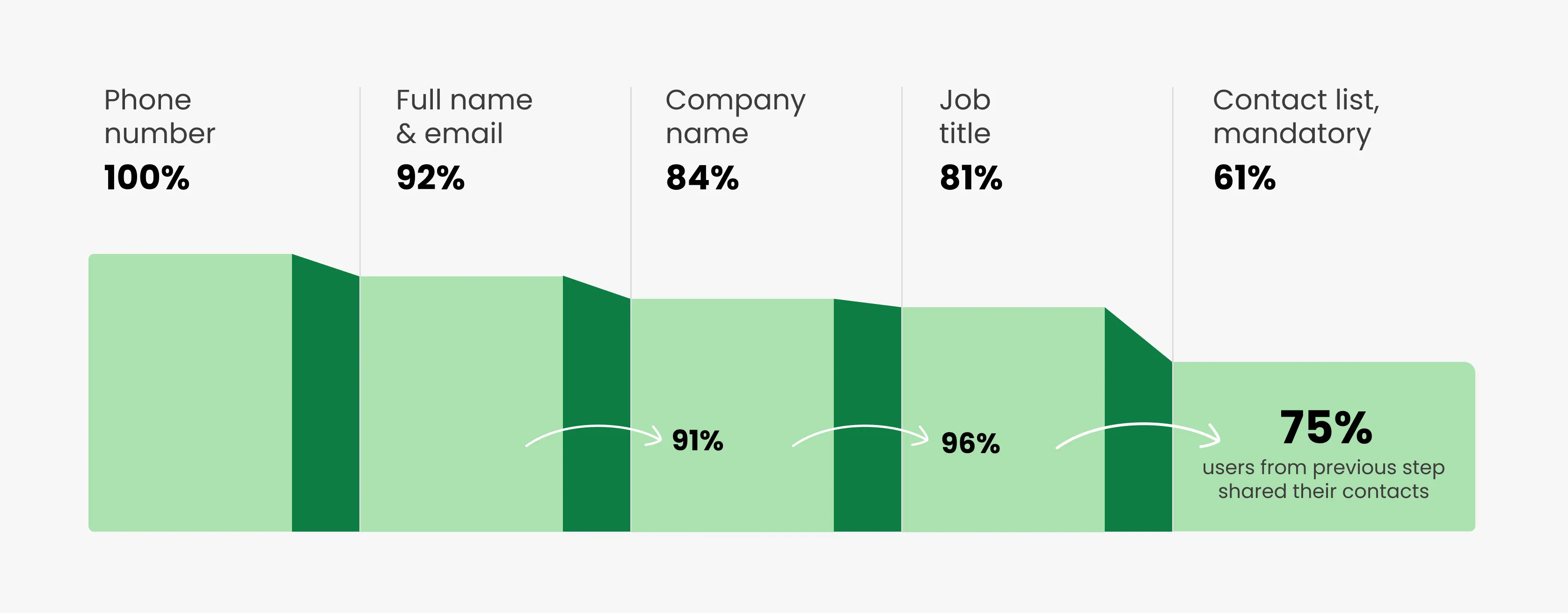
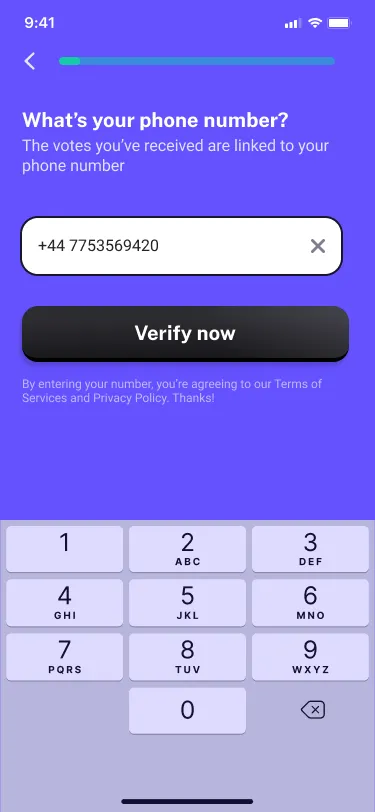
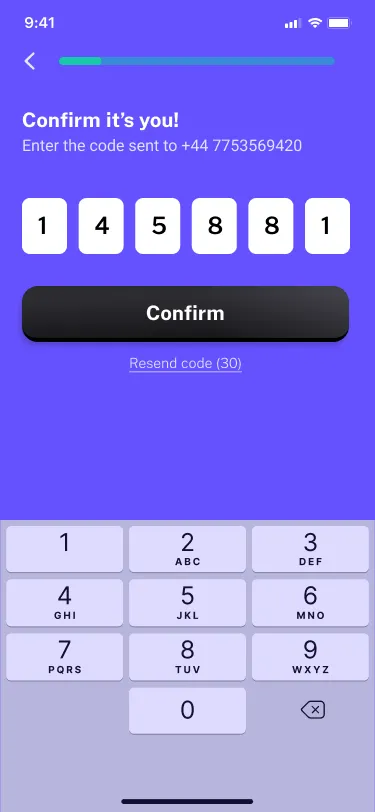
| getCredible | Phone number, phone number verification, full name, email, company, job title, photo, mandatory contact list | 61% |
~15-20%
|
Top 1% |
| Wiraki | University, course, 3 votes for colleagues names, full name, phone, email, degree year | 90% |
~30%
|
Top 1% |
| Confidio | 16 personalisation inputs | 70% |
~40%
|
Top 5% |
The MAP framework: Map, Align, Progress
How I engineered onboarding to drive conversion
01
Map Business Needs
What does the business actually need?
Map every data point the product needs and why it truly matters. If it doesn't have a clear role in value creation, it shouldn't be in the onboarding.
02
Align with User Expectations
What value does the user expect from the app?
When someone installs a product, they arrive with an expected outcome. Every ask during onboarding either supports that expectation or disrupts it. To make users want to give information, I design around two motivators:
- Value alignment: the ask makes sense because it visibly moves them closer to what they came for. Giving this information feels like a step forward.
- Familiarity: the ask feels expected. They have seen it before, in other apps, in other contexts. Breaking that pattern raises flags, and when it does, value alignment has to carry the weight.
03
Progress Framing
How to frame each step as progress toward that value?
Each step must feel like movement toward the user's goal. Not framed as a requirement, but as the next logical step. The sequence usually follows a pattern:
- Start with familiar asks, then progressively move toward harder ones, clearly tied to the outcome the user wants.
- Once the user answers, the product should immediately provide a positive
reinforcement.
Animations, micro-feedback, and real-time personalisation (Endowment
Effect),
together with
visible progress (Goal Gradient Effect), help maintain the
user's motivation to
continue.
Reinforcement can be strengthened further through the SAPS framework (Status, Access, Power, Stuff), such as by revealing new information (Access) or unlocking parts of the product (Power).
Applying the MAP framework: 3 case studies
A framework is only as valuable as the results it drives. I've applied this methodology across three distinct products, optimizing for both business results and user speed to drive top-tier conversion. Here is the proof in action.
Case Study 01
getCredible
61%
sign-up rate
3.5x
vs industry standard
Top 1%
Sign-up percentile rank
The Context
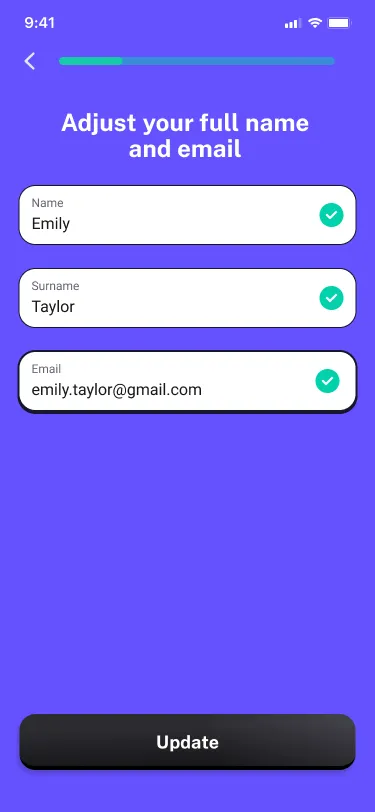
getCredible is a talent referral network built around peer endorsements. For the system to work, the product needed real identities, workplaces, and access to personal networks. That meant asking for seven steps, zero brand trust, and a mandatory contact list sync.
Applying the MAP Framework
1. Business Needs
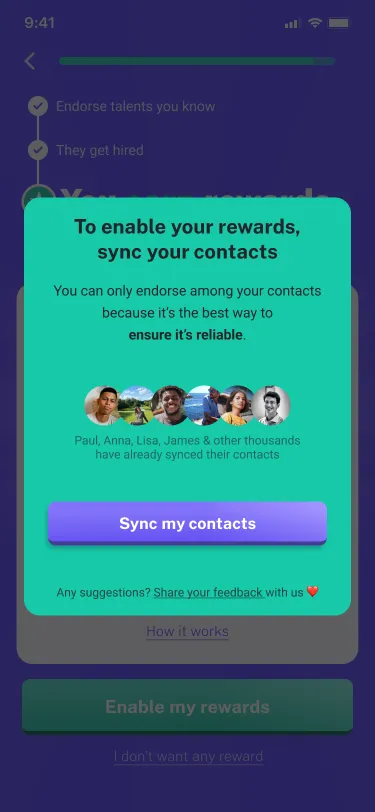
The business model depended on building a talent referral network. To power this, the platform required mandatory contact list access to map the users' network graph and enable the organic voting mechanic between peers. Collecting names, companies, and job titles was a fundamental requirement to categorize talent and facilitate high-value matches.
- Identity verification
- Network graph
- Public ranking
- Endowment Effect
- SAPS
2. User Motivation
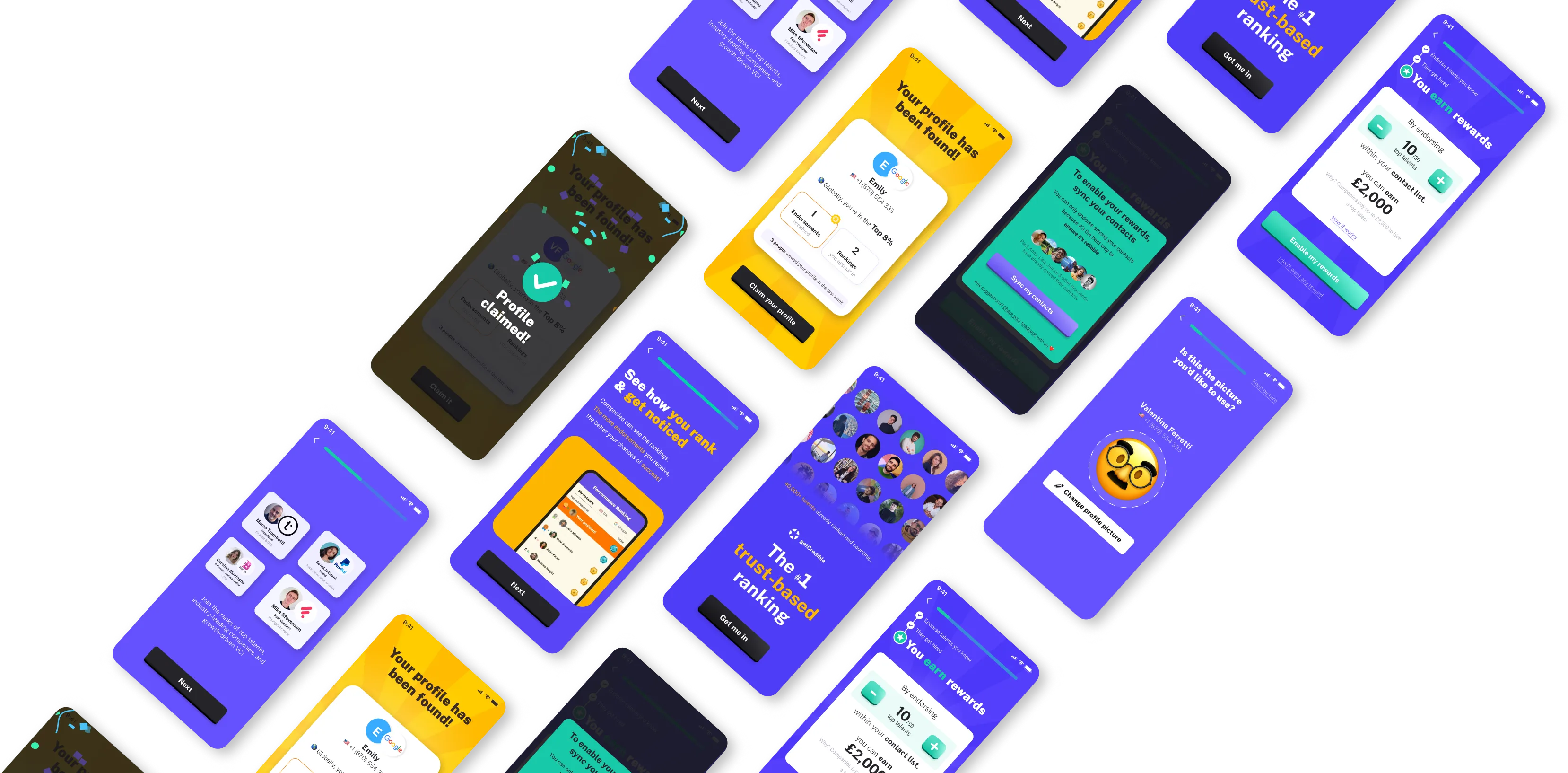
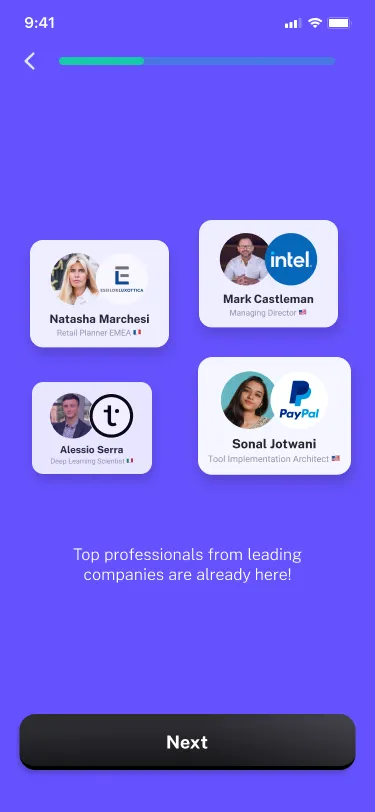
The onboarding anchored motivation around existing recognition. Instead of asking users to create a profile from scratch, the product signaled that votes and endorsements from their network might already exist, tied to their phone number. This reframed signup as claiming something valuable: their reputation and visibility within the network.
3. Progress Framing
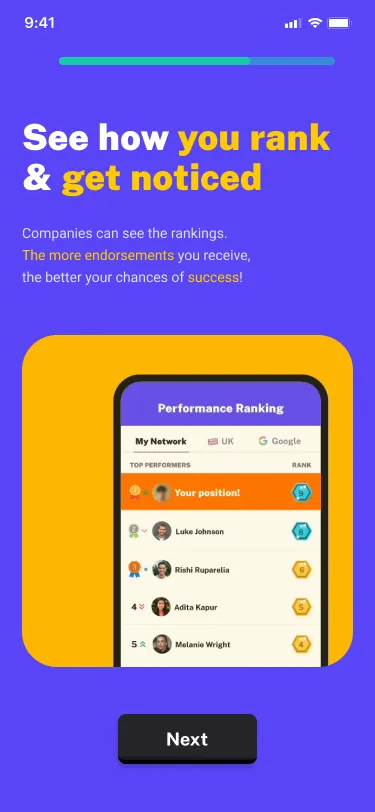
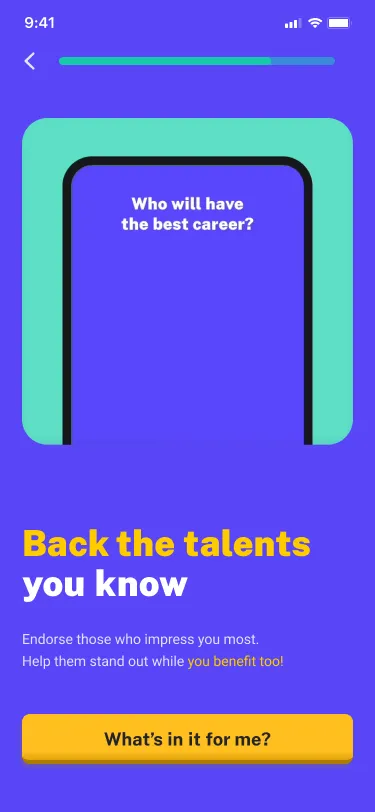
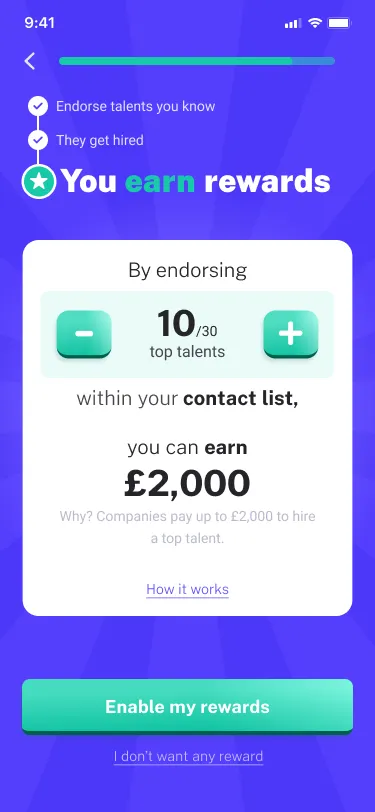
The flow gradually moved from simple identity confirmation to more demanding requests. Basic profile steps established credibility first, while the most intrusive ask, the contact list access, appeared only after users had seen how endorsements, rankings, and rewards worked. By the time the permission appeared, the user had already committed to the outcome.
When users declined contact sync, the interface showed partially revealed
contacts as
blurred profiles. This made the missing value tangible: users could see that
meaningful endorsements and connections were locked behind the permission. The UI
itself became a feedback loop, continuously reminding users what they would unlock
by completing the step.
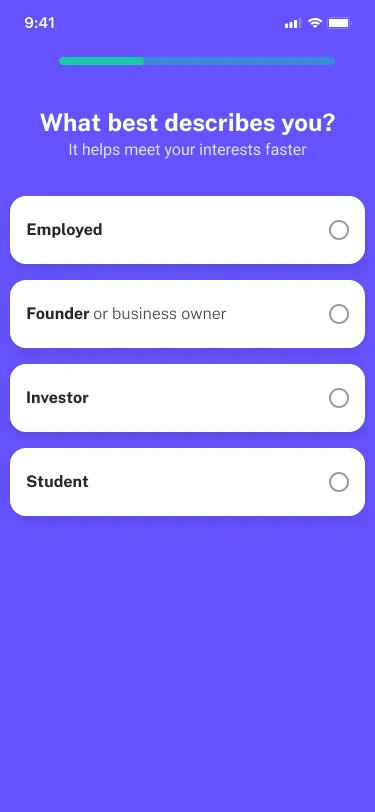
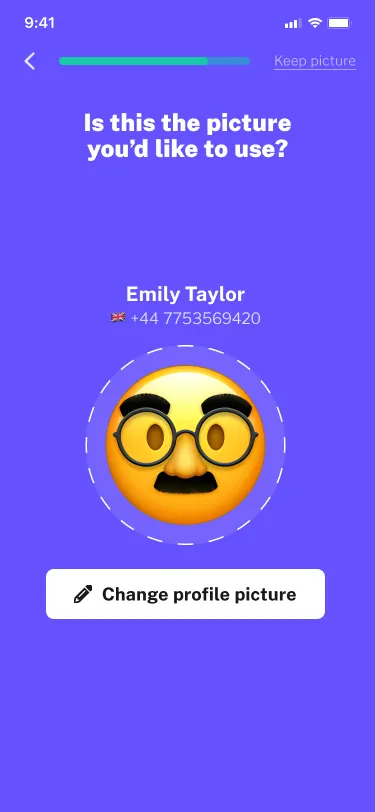
getCredible onboarding funnel







Case Study 02
Wiraki
90%
sign-up rate
2.6x
vs industry standard
Top 1%
Sign-up percentile rank
The Context
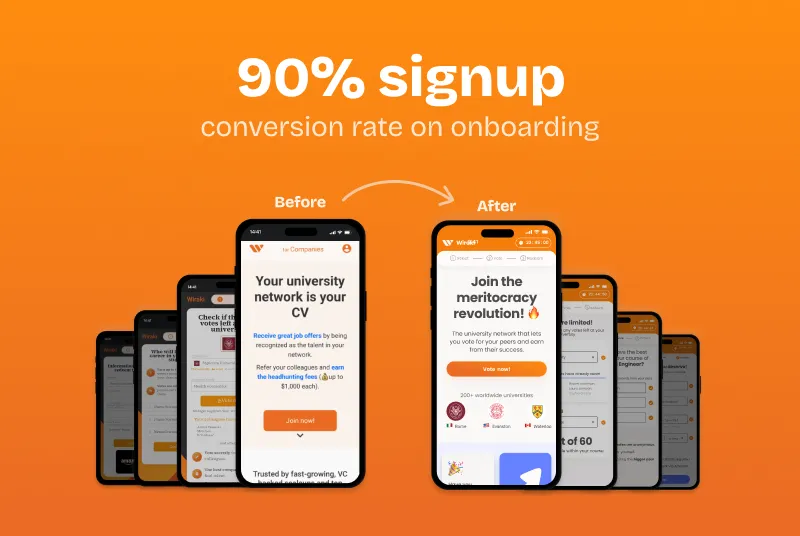
Wiraki is a platform where students vote for the most talented people in their university network. These peer signals are aggregated into merit-based rankings, making top students visible to companies looking for emerging talent.
 Read the full article →
Applying the MAP Framework
1. Business Needs
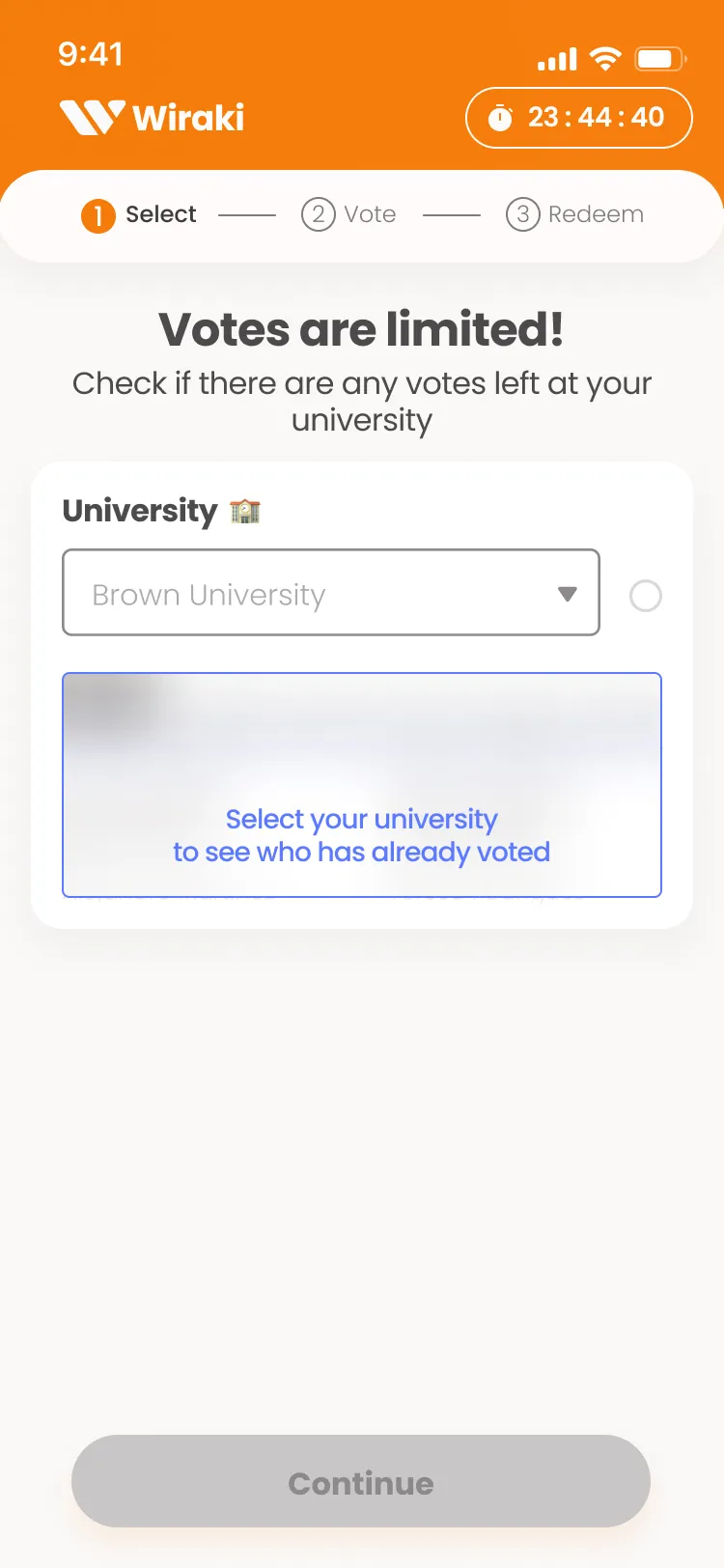
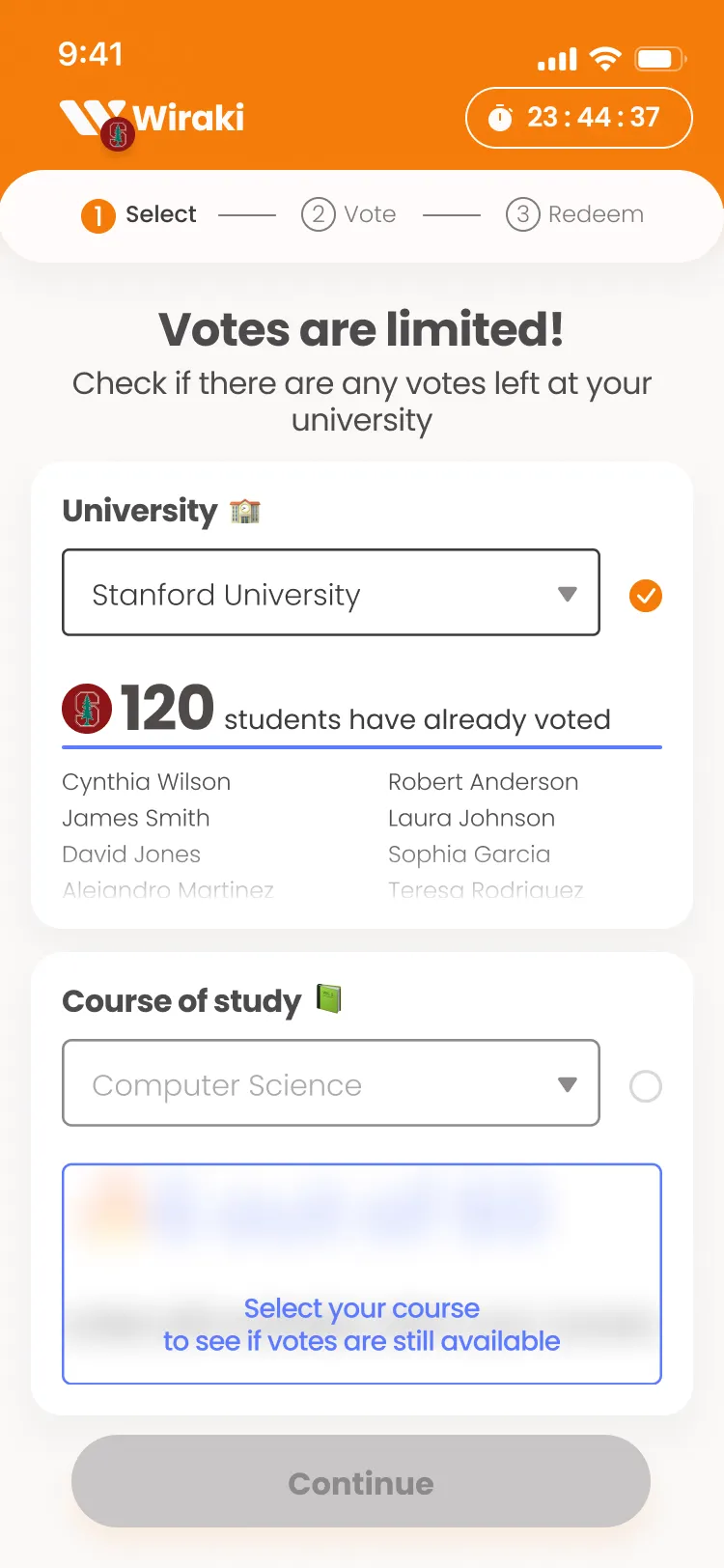
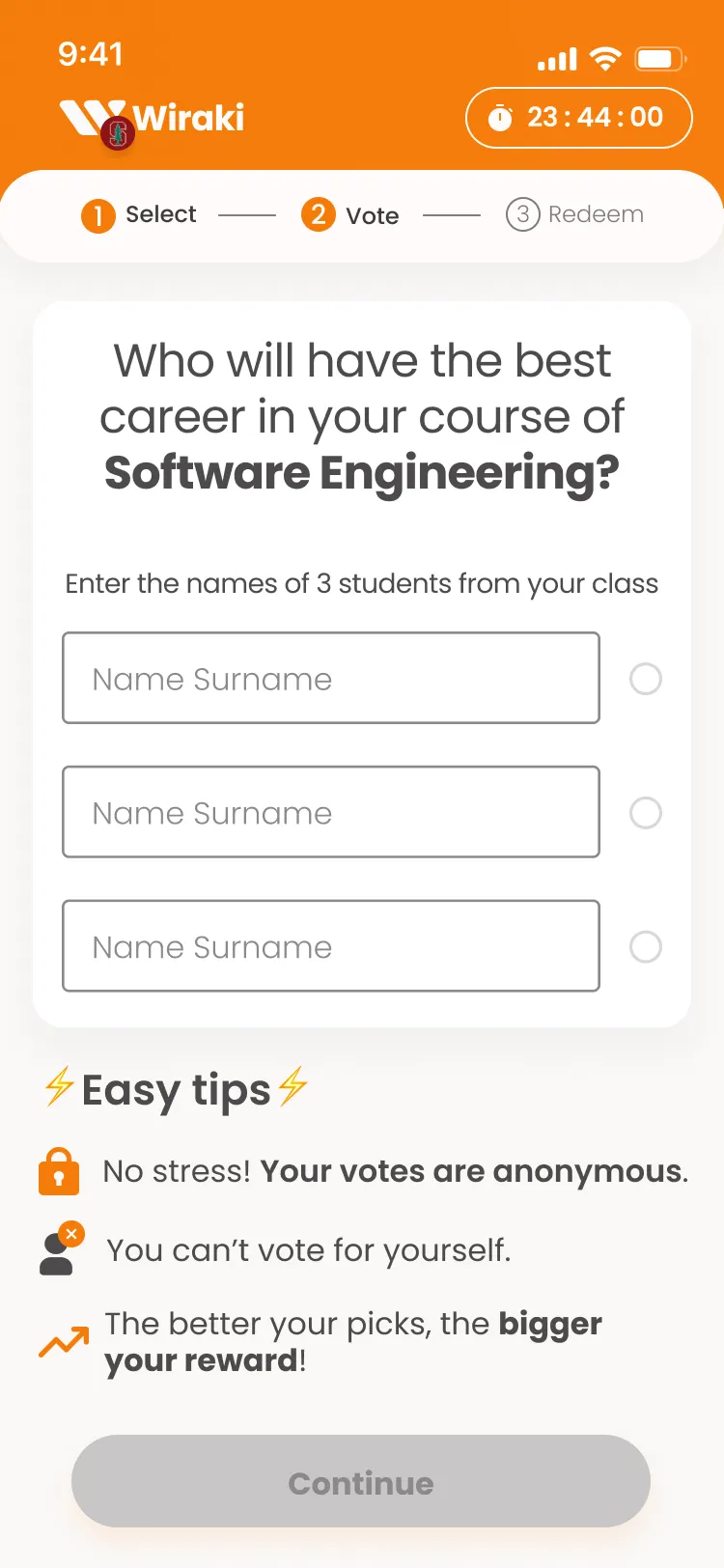
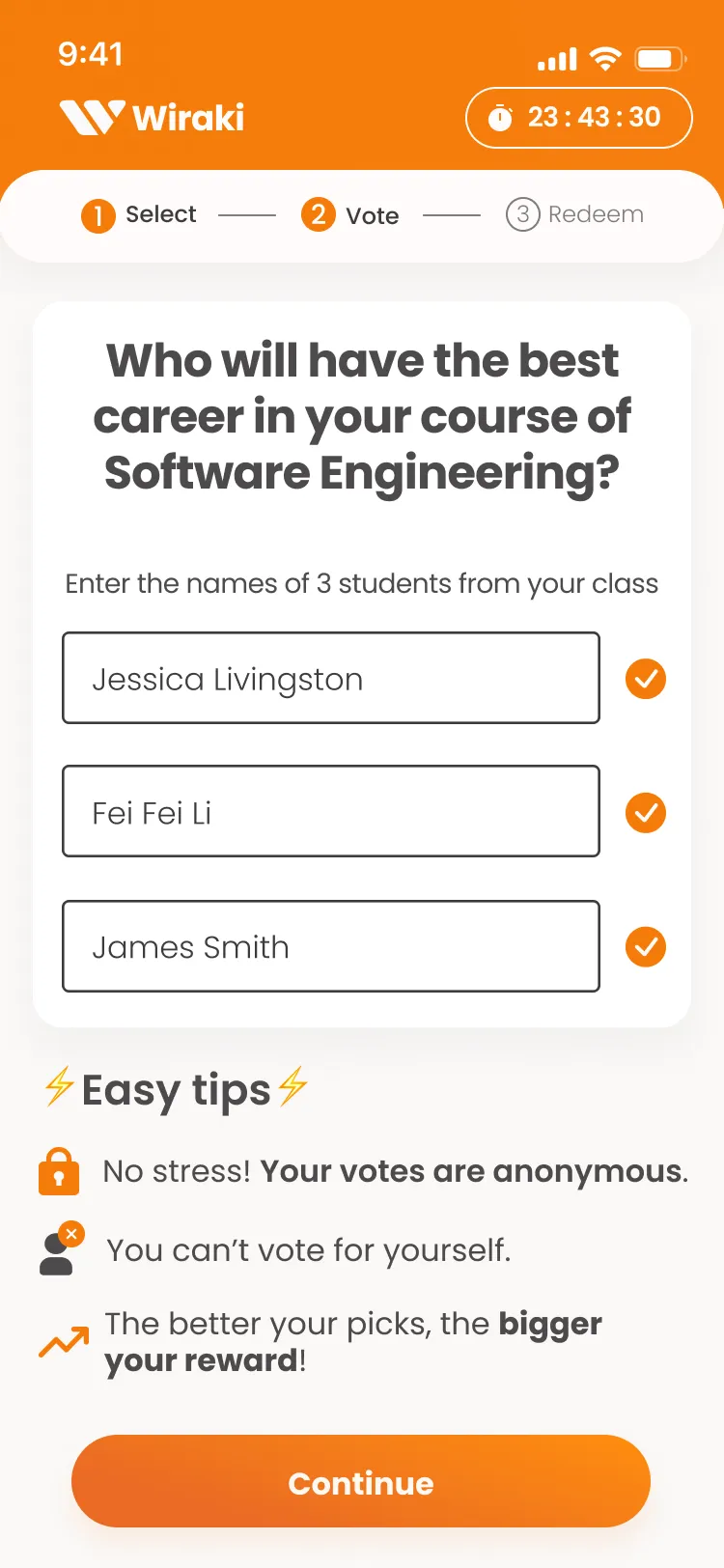
Wiraki needed to map the university social graph. This required accurate university/major selection followed by peer voting data (3 written names and surnames), and user's profile information.
- Network Mapping
- User profiling
- Progressive Disclosure
- Hooked Framework
- SAPS
2. User Motivation
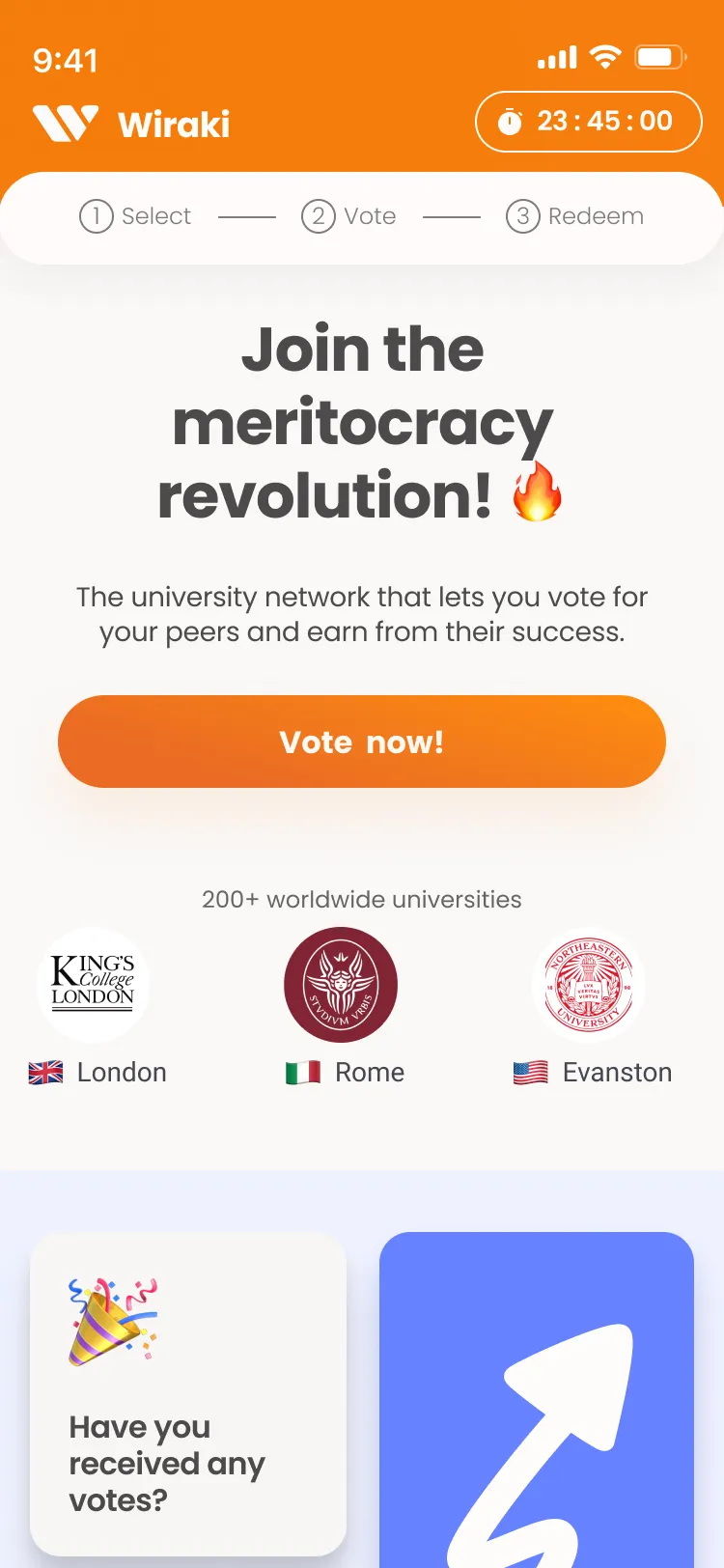
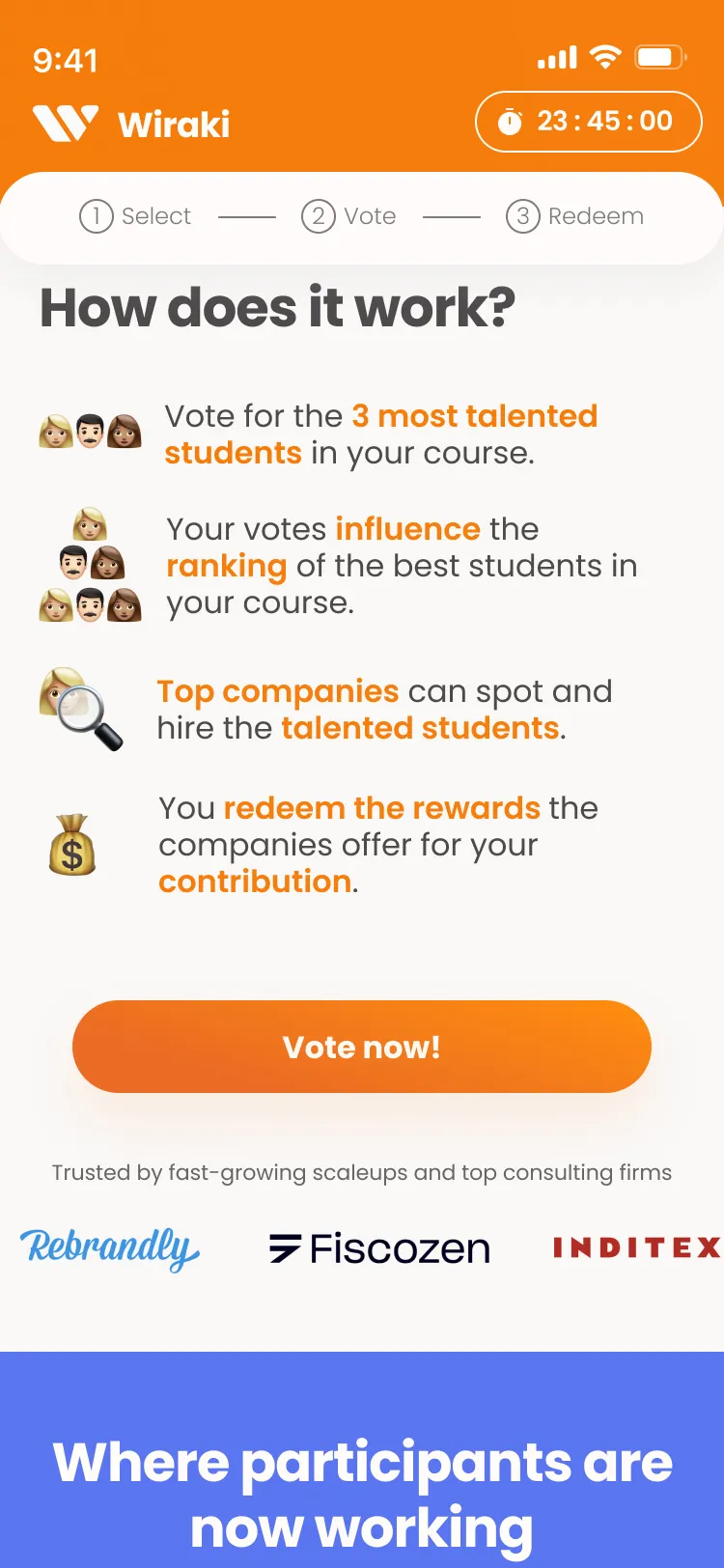
Wiraki tapped into a strong social motivator: recognizing talented peers. Instead of presenting the product as a job-seeking tool, onboarding framed the action as helping great classmates get the opportunities they deserve, while earning rewards and recognition in return.
3. Progress Framing
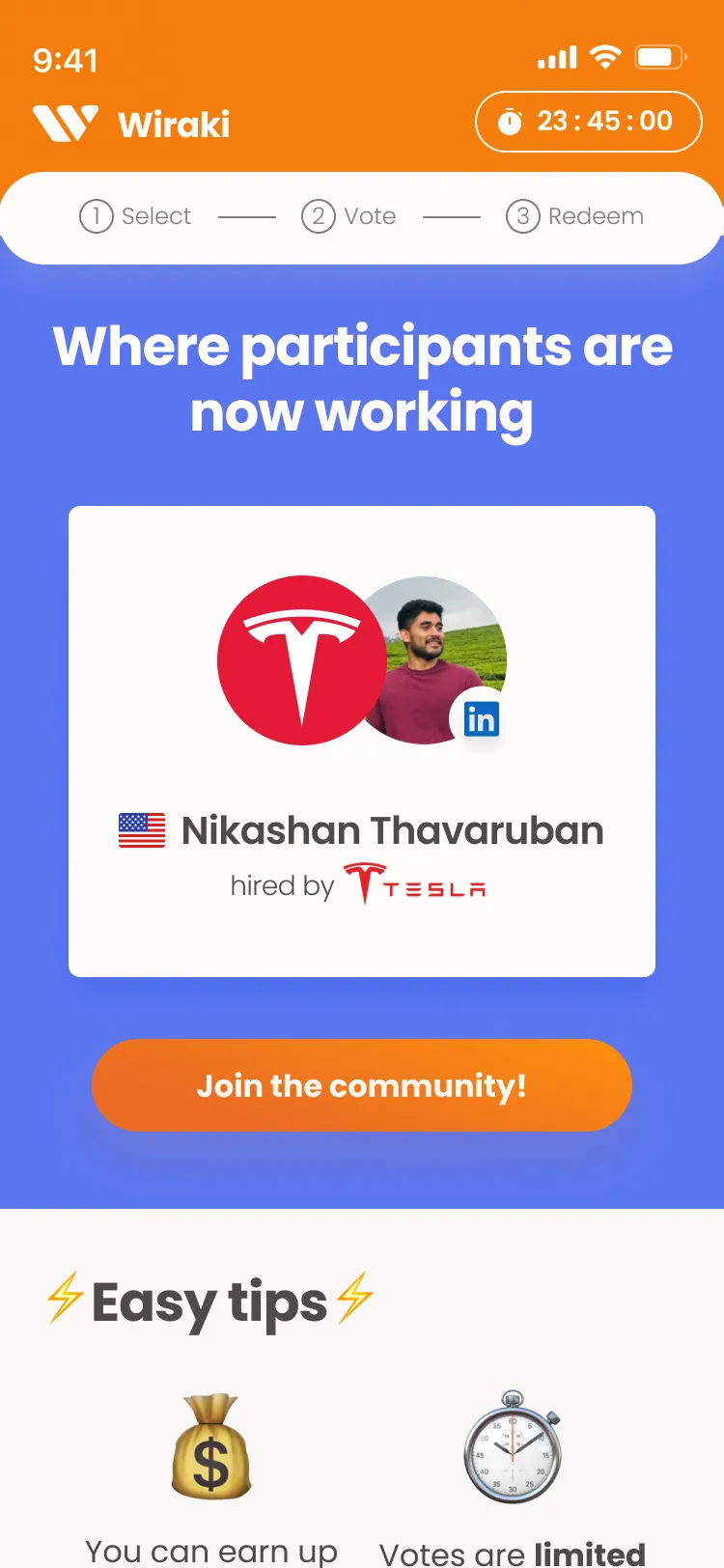
The flow revealed the community step by step: selecting a university surfaced familiar network, and only then was voting unlocked. Each action exposed more of the user's environment, making the process feel like discovering their community rather than filling out a for.
After voting, the product immediately showed its
effect through updated rankings and visible activity from other students. This
instant feedback turned a single action into a reinforcing loop, where users could
see their contribution shaping the leaderboard in real time.
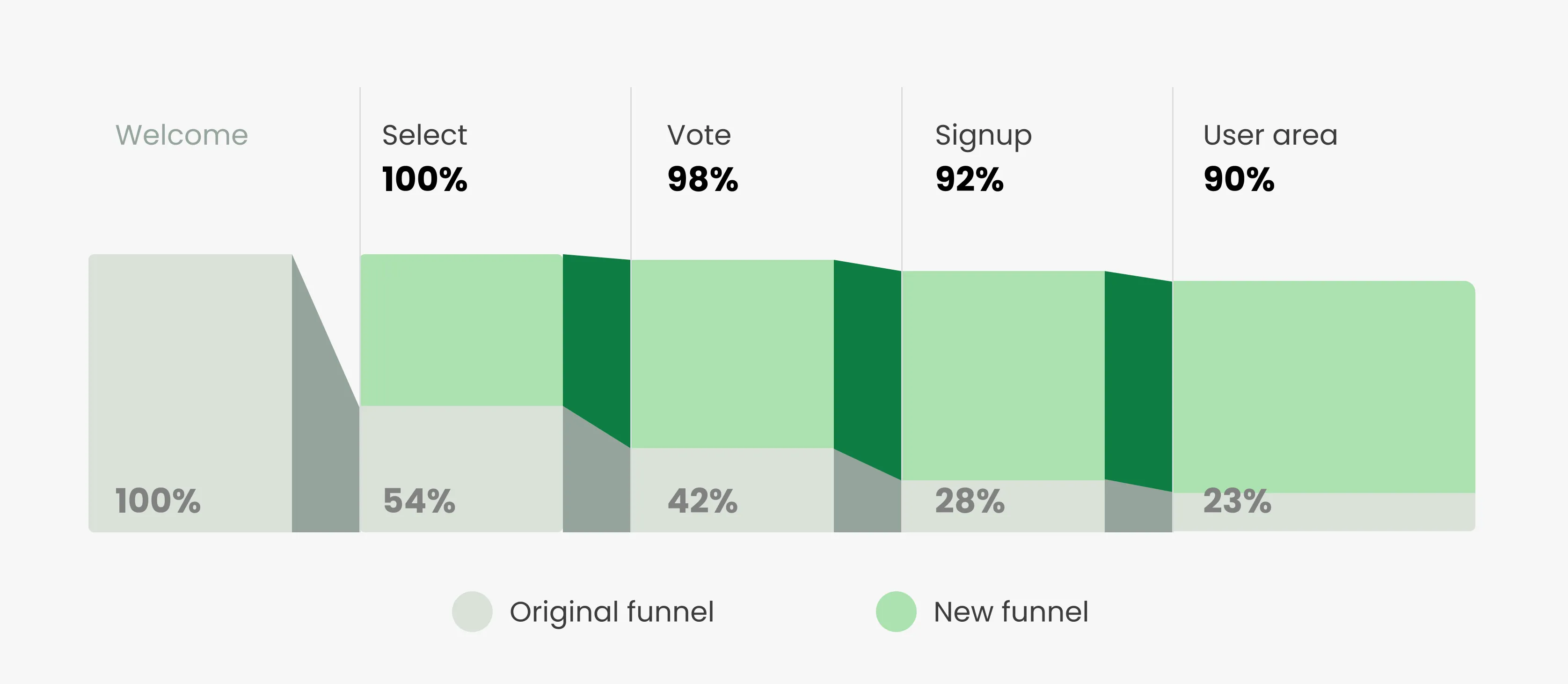
Wiraki onboarding funnel: how applying the MAP framework drove a 3.9x increase in signups.




Case Study 03
Confidio
70%
sign-up rate
1.8x
vs industry standard
Top 5%
Sign-up percentile rank
The Context
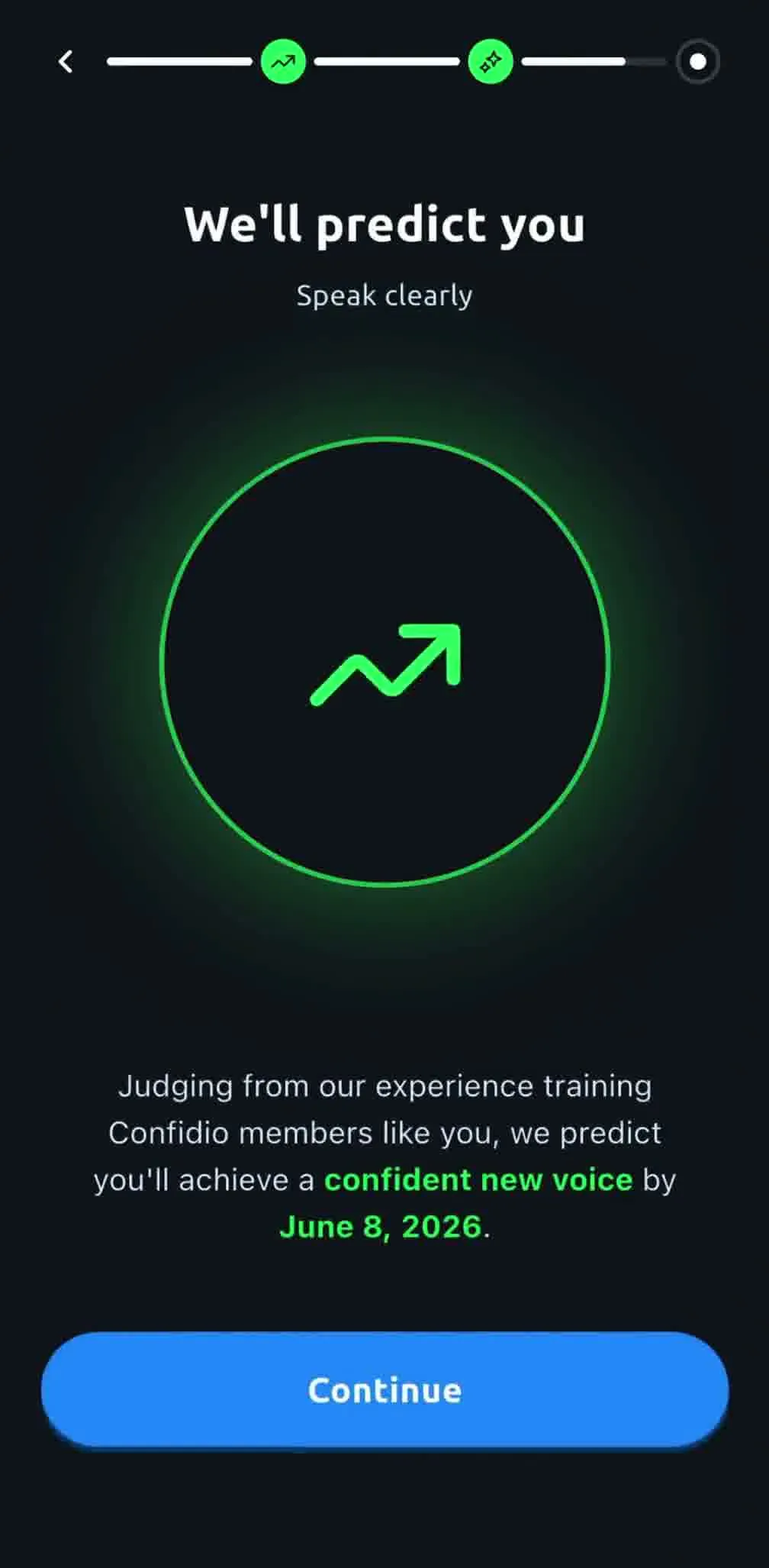
Confidio is an AI-powered training app that helps people overcome speaking anxiety and become more confident communicators through voice exercises. It personalizes coaching based on each user's communication challenges, goals, and confidence level.
Applying the MAP Framework
1. Business Needs
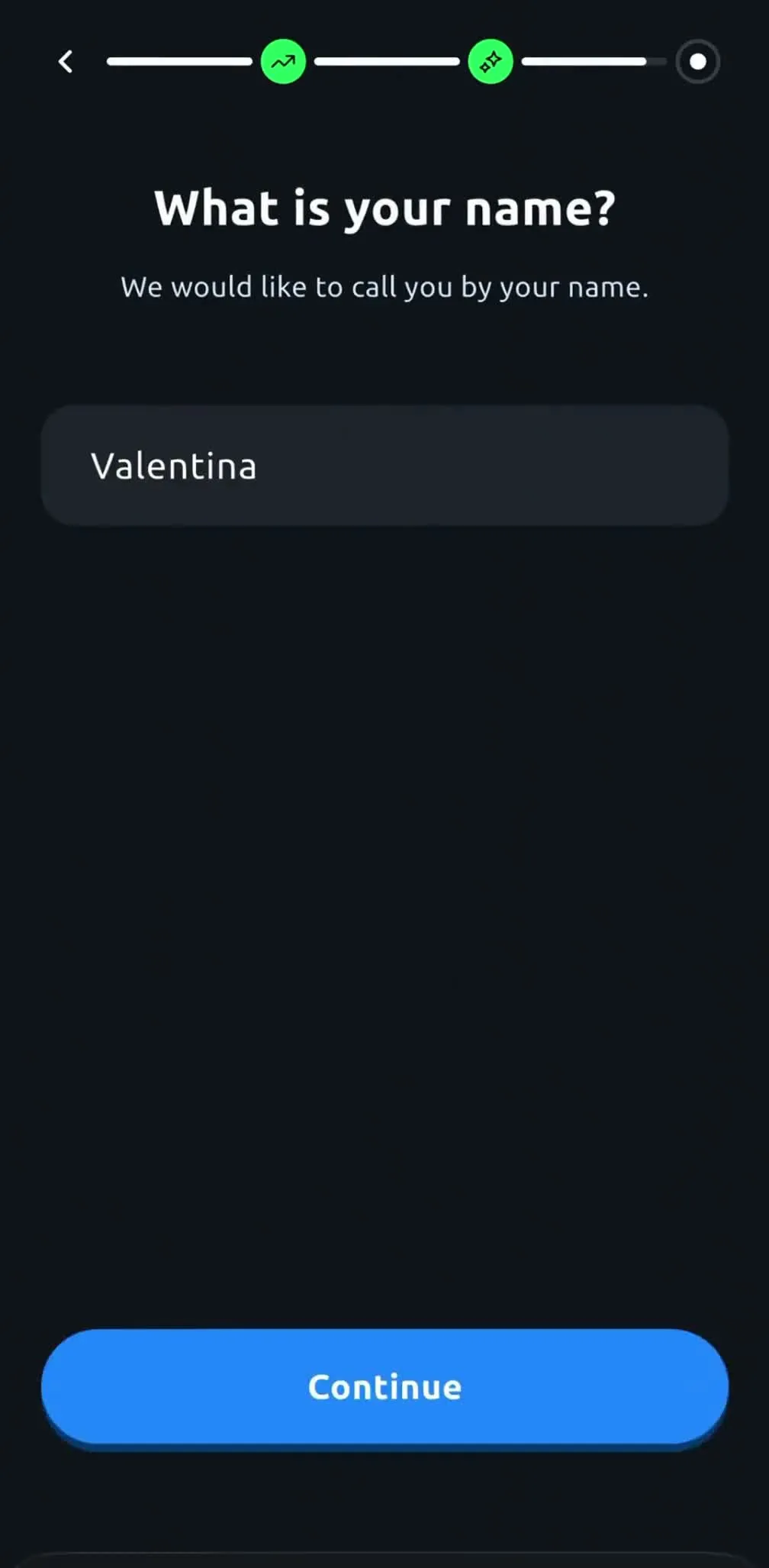
Confidio needs specific information to personalize communication training. Data about the user's goals, confidence level, and speaking challenges allows the app to generate relevant exercises and a tailored coaching path.
- Job To Be Done
- User delights
- Goal-gradient effect
2. User Motivation
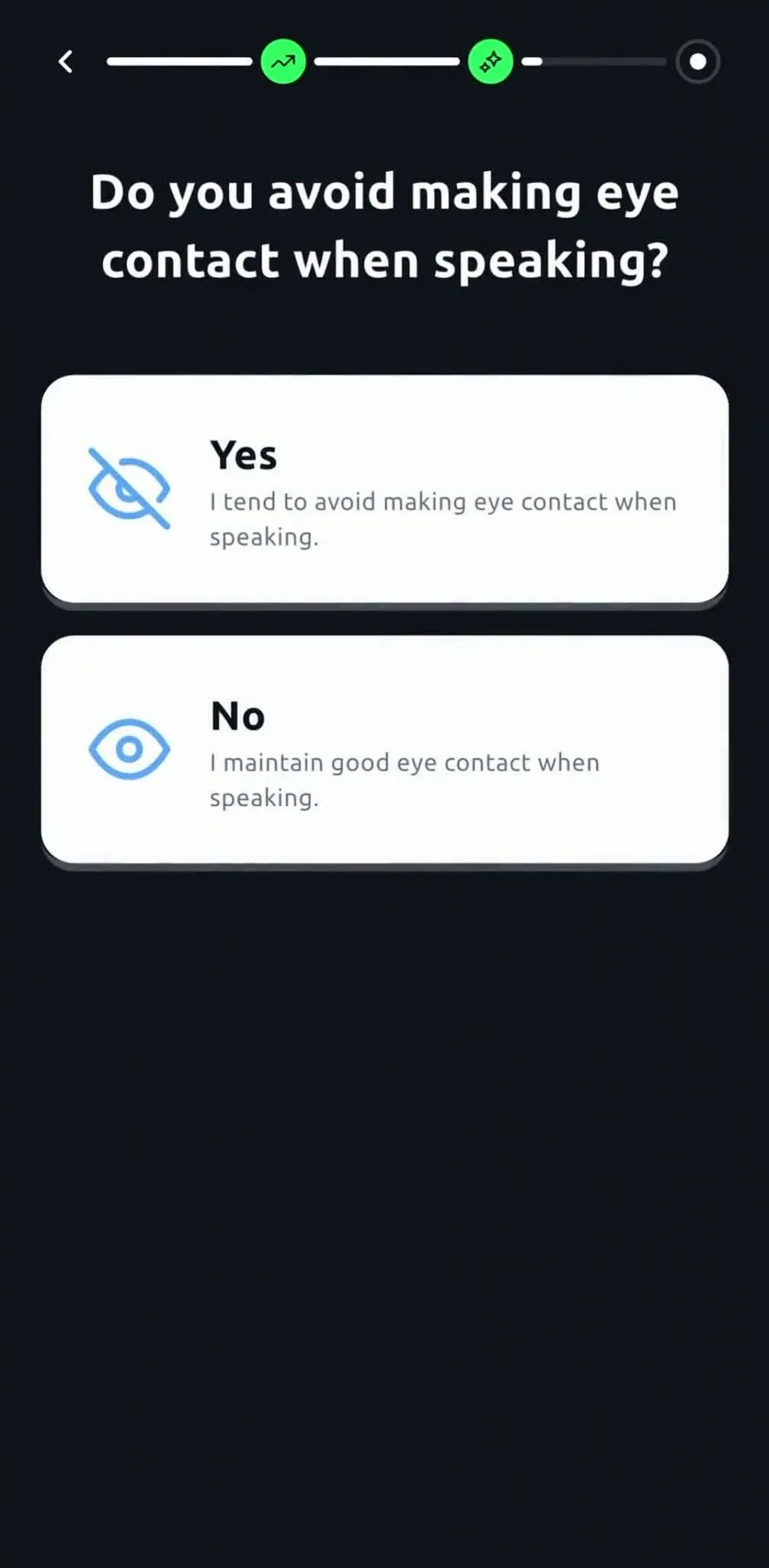
The opening headline focused on the outcome: "Never run out of things to say again." Users install Confidio because they want to become more confident speakers. When onboarding questions clearly relate to improving their voice, communication skills, or social confidence, answering them feels like a step toward that outcome rather than a request for data.
3. Progress Framing
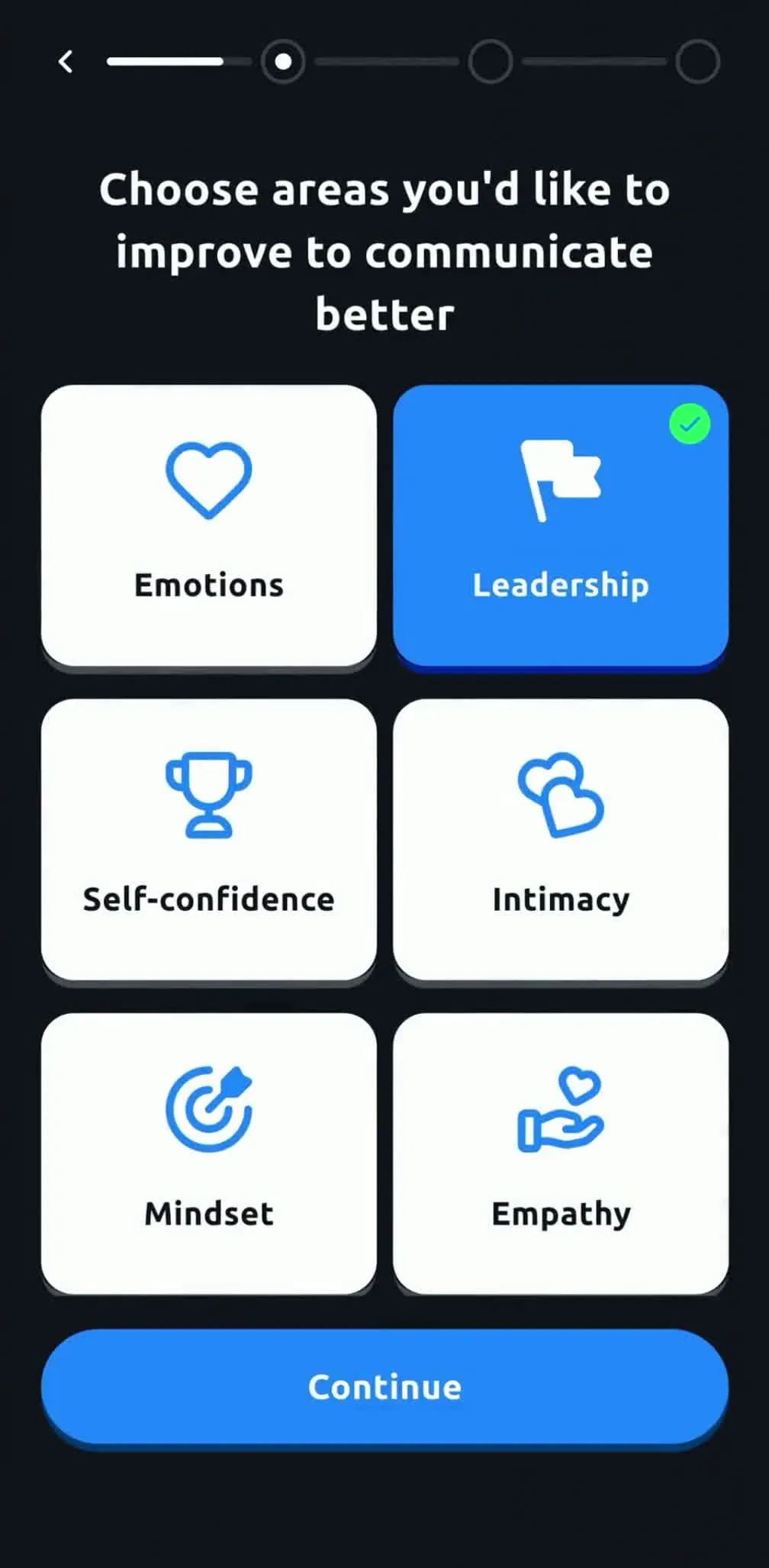
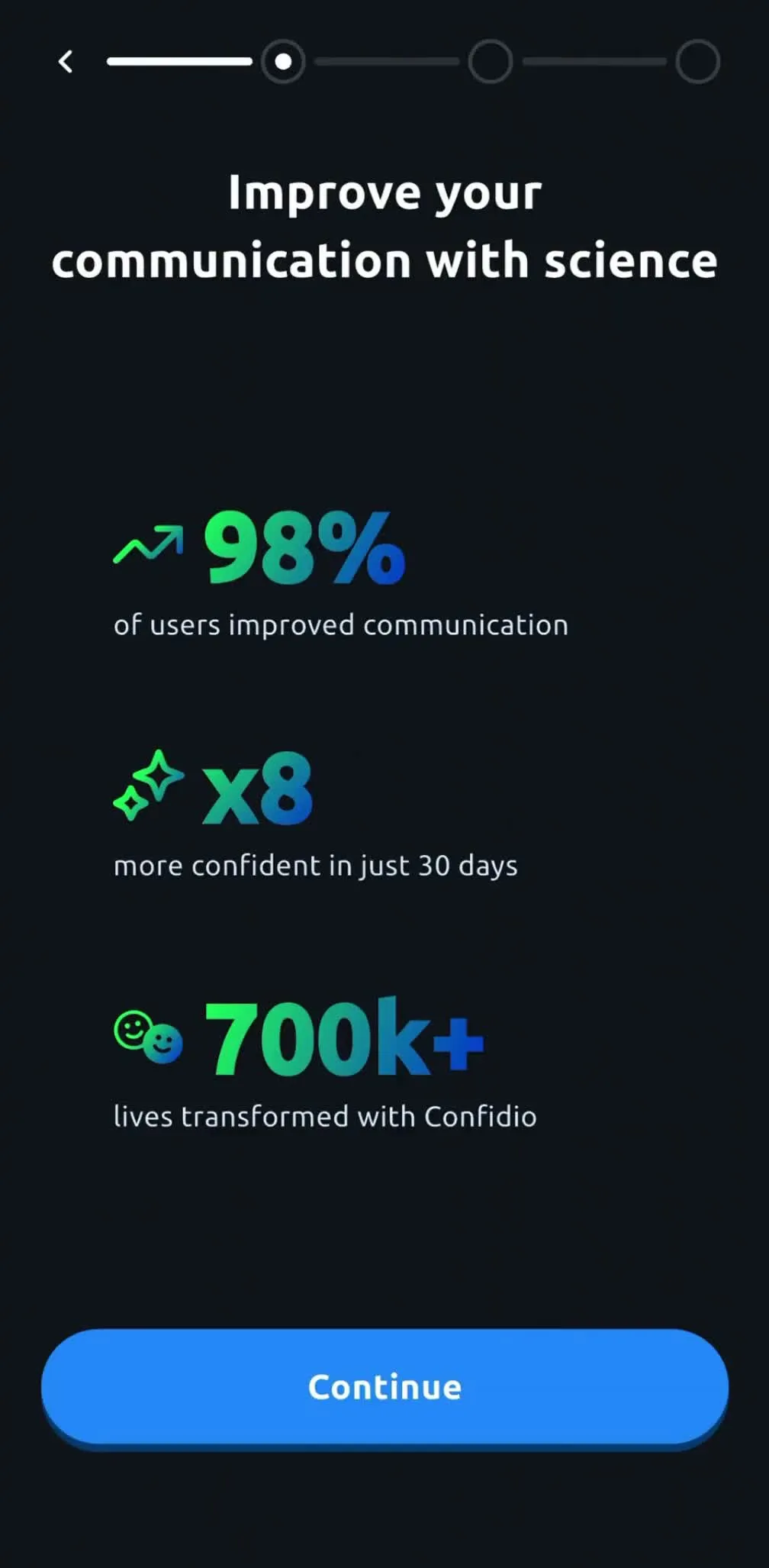
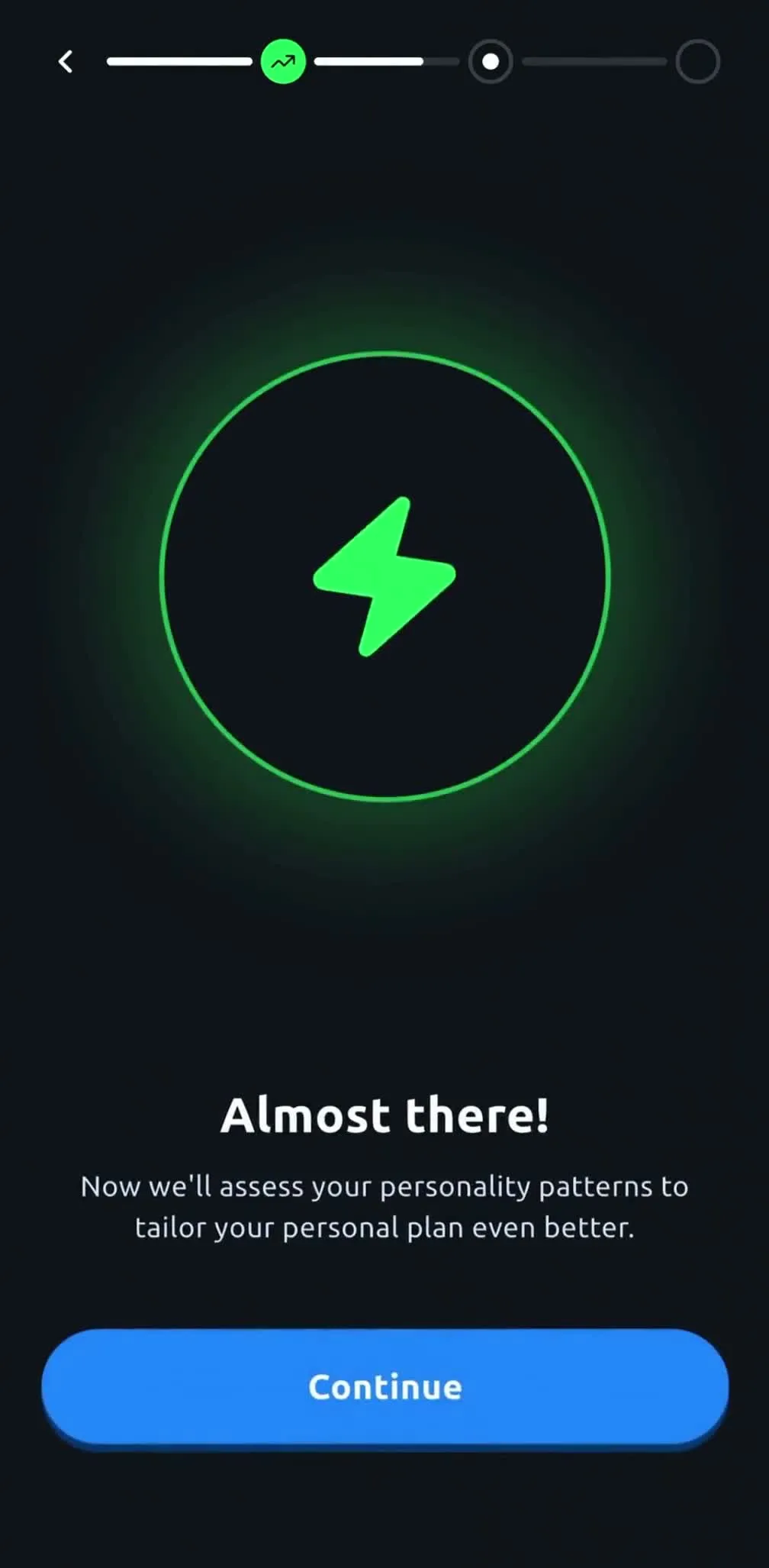
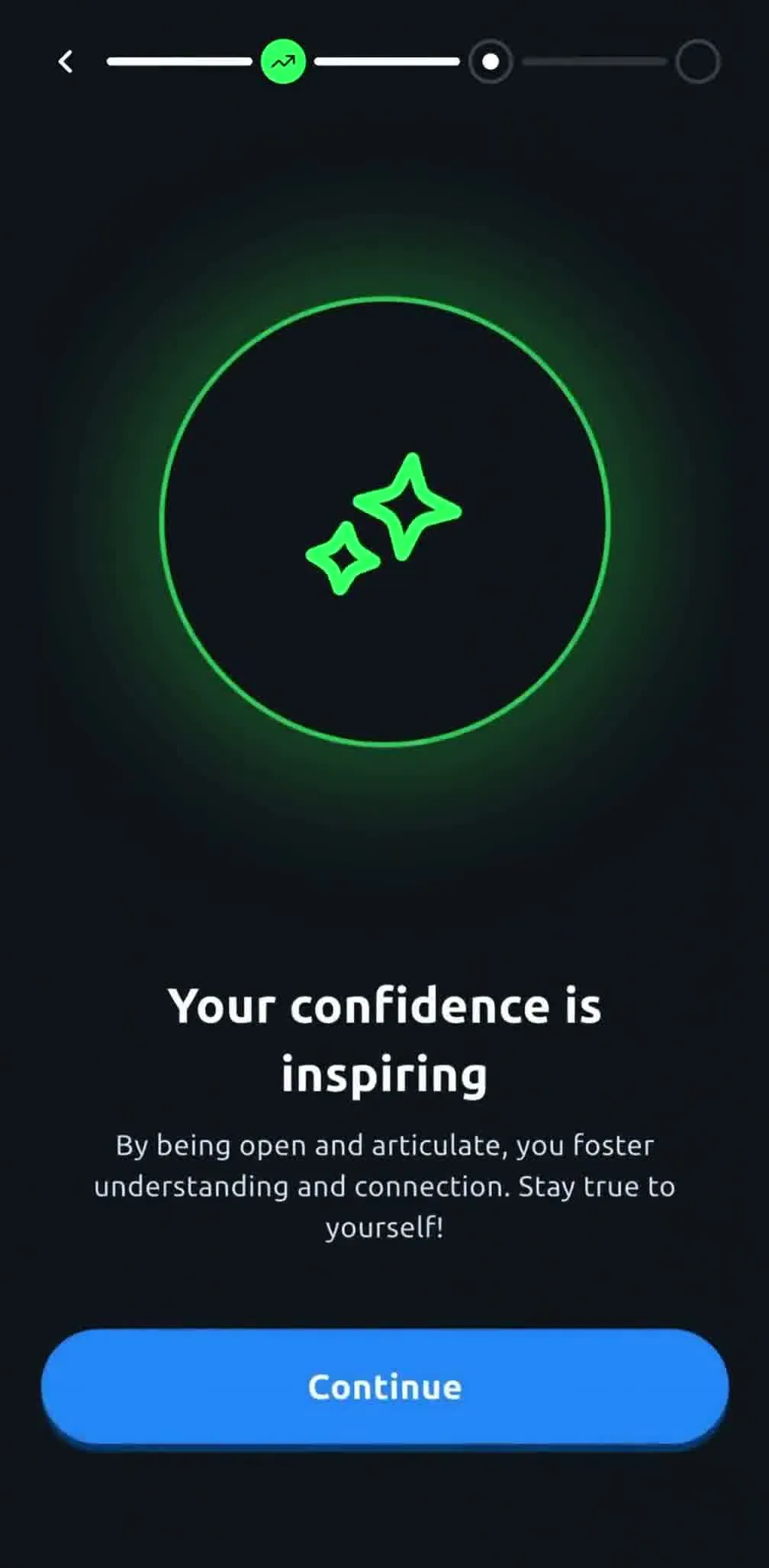
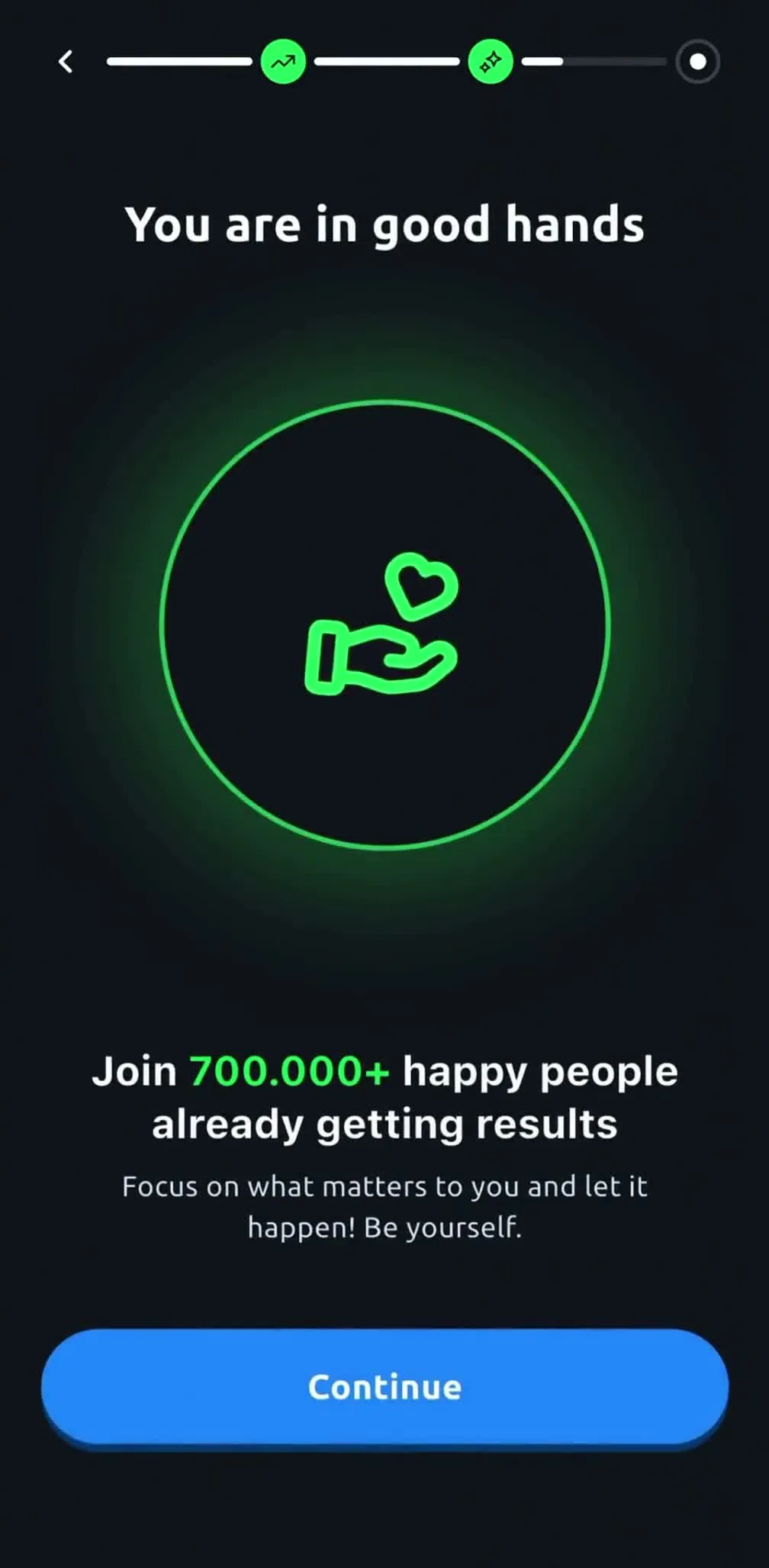
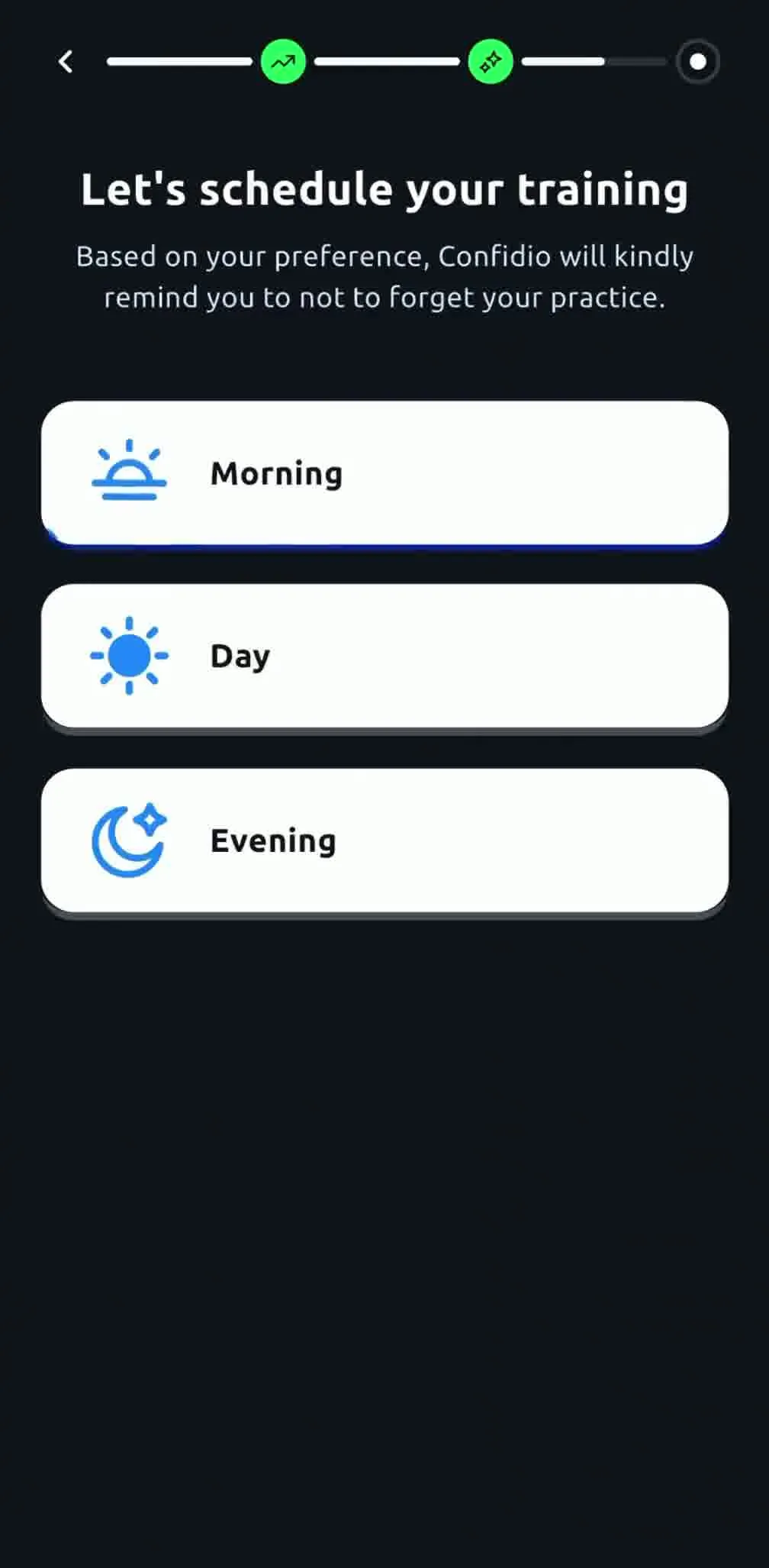
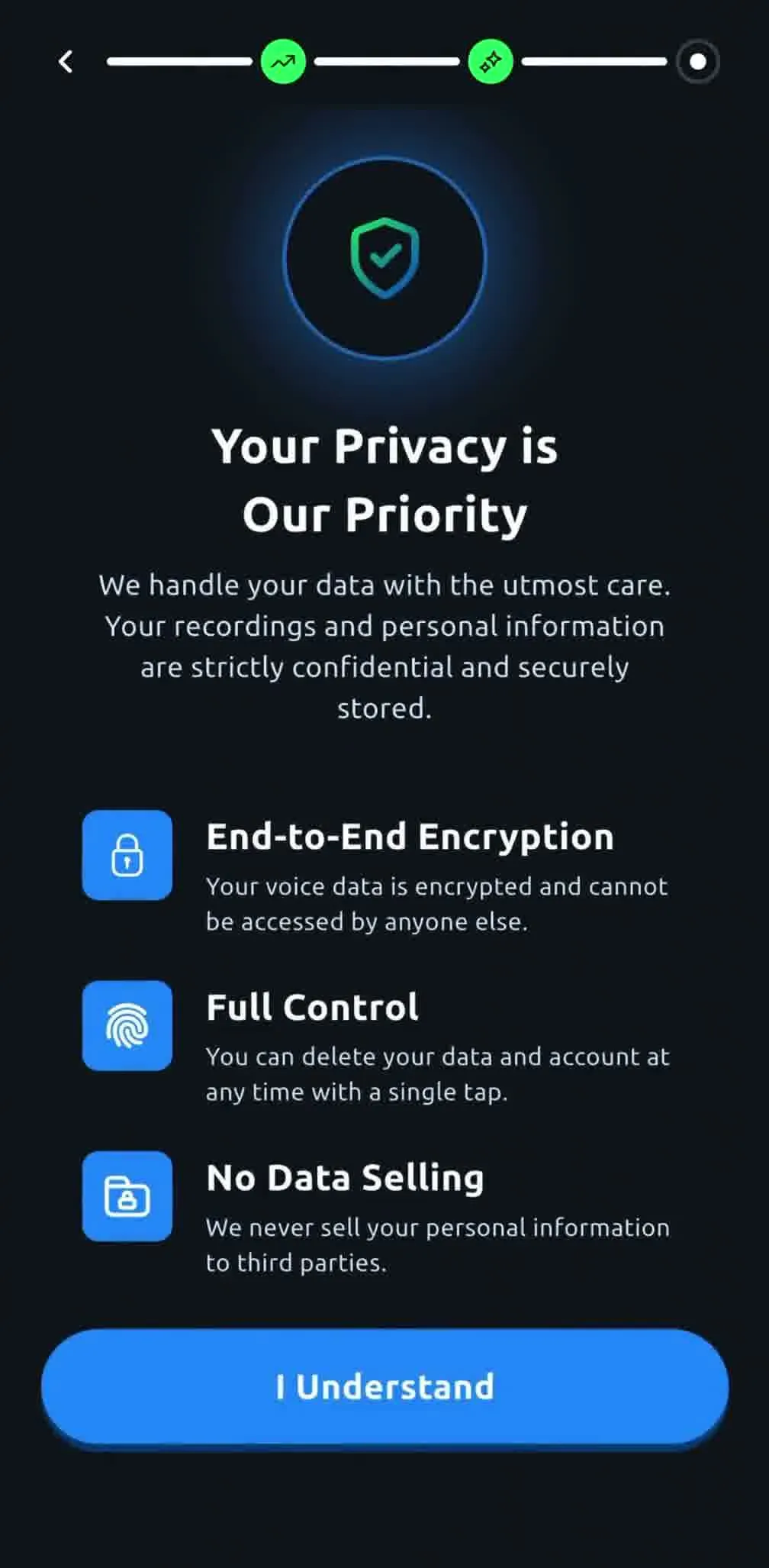
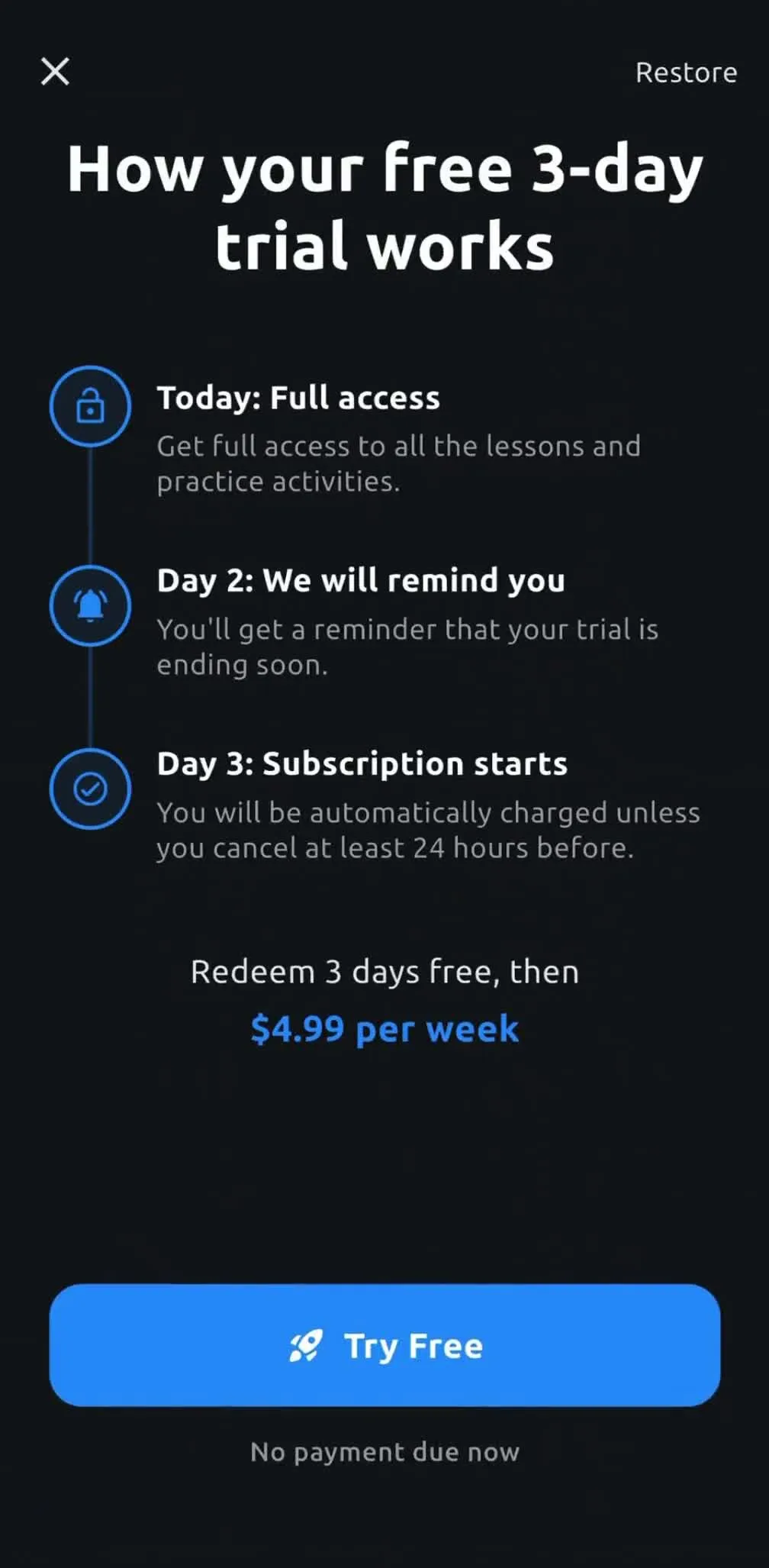
Each onboarding step is framed as building a personalized training program. As users answer questions, the product progressively shows how their inputs shape upcoming exercises and coaching.
Visible progress indicators and small moments of delight,
such as animations and micro-feedback, give endorphins and reinforce the feeling of
moving forward.





The pattern
Onboarding fails when it treats data collection as a business process users must tolerate. It works when every question is clearly tied to what the user came for.
The design patterns we often reference (progressive disclosure, social proof, goal-gradient) are not the framework. They are tools. Used without underlying logic, they are decoration. Used with it, they compound.
Engineer the onboarding. Make every question feel inevitable. And users will want to answer.